
Managing Graffiti in High-Risk Areas: Strategies for Prevention and Removal
Graffiti vandalism can be a persistent and costly problem for property owners, businesses, and community organisations. While graffiti can appear in almost any location, certain areas are considered “high risk” due to their visibility, accessibility, or cultural significance. Understanding the types of high-risk areas, the nature of the graffiti commonly found in them, and the importance of prompt removal and prevention strategies are all vital steps in keeping these spaces safe, attractive, and welcoming.
Identifying High-Risk Areas
High-risk areas for graffiti vandalism include locations with high foot traffic, easy access, and a strong visual impact. Examples often include:
- Public Transport Hubs: Train stations, bus stops, and tram shelters are frequently targeted due to constant pedestrian traffic and limited monitoring.
- Urban Corridors: Main streets, alleyways, and roads near nightlife districts or entertainment precincts attract vandals looking for exposure and recognition.
- Cultural and Historical Sites: Heritage buildings, monuments, and landmarks can be prime targets due to their prominence and symbolic value.
- Commercial and Industrial Zones: Warehouses, loading docks, and retail centres can become easy canvases for graffiti, especially in poorly lit or rarely monitored spaces.
Types of Graffiti in High-Risk Areas
Graffiti takes many forms, each with its own intent and impact:
- Tagging: The simplest form of graffiti, tagging involves the vandal’s signature or pseudonym. Quick to apply and hard to trace, tags often appear in clusters.
- Throw-Ups and Pieces: More elaborate than tags, these include stylised letters or characters. They take longer to create and often appear in areas where vandals have time and less risk of interruption.
- Stencils and Stickers: Pre-made forms of graffiti that can be quickly applied, making them popular in high-traffic areas.
- Political or Social Statements: Some graffiti reflects activism, political messaging, or social commentary, and may appear in culturally significant or sensitive locations.
Why Prompt Graffiti Removal Matters
Leaving graffiti untreated can have several negative consequences:
- Encouraging Further Vandalism: Visible graffiti signals to vandals that their work endures, attracting more vandalism and turning the area into a “graffiti hotspot.”
- Diminishing Property Values: Buildings and infrastructure covered in graffiti appear neglected, potentially reducing property values and deterring potential tenants or customers.
- Negative Perceptions of Safety and Quality: Graffiti can create an atmosphere of disorder, suggesting that the area is poorly maintained or unsafe. This perception can impact businesses, tourism, and community pride.
- Increased Maintenance Costs: Delaying removal allows graffiti to penetrate surfaces and become harder to remove, resulting in higher cleaning expenses down the line.
Tips for Preventing Graffiti in High-Risk Areas
Rapid Removal
Promptly cleaning existing graffiti discourages vandals by sending a message that their work won’t remain visible. Engaging a professional graffiti removal service like The Graffiti Eaters ensures effective and safe removal without damaging underlying surfaces.
Anti-Graffiti Coatings
Applying protective coatings on vulnerable surfaces makes future graffiti easier to remove. These coatings create a barrier that prevents paint and markers from bonding with the substrate.
Improved Lighting and Surveillance
Well-lit areas are less appealing to vandals looking for anonymity. Installing bright lighting, CCTV cameras, or even dummy cameras can deter potential offenders.
Landscaping and Barriers
Strategically placed plants, shrubs, or fences can restrict access to walls and surfaces. Making it physically harder for vandals to reach a canvas discourages their activities.
Community Involvement
Encourage residents, businesses, and local organisations to report graffiti promptly. A strong community presence, neighbourhood watch programs, and regular clean-ups foster a sense of shared responsibility and make vandalism less attractive.
Artwork and Murals
Commissioning murals or authorised street art can reduce graffiti vandalism by providing a sanctioned creative outlet. Vandals are often less inclined to deface existing artwork out of respect for the artist’s efforts.
How The Graffiti Eaters Can Help
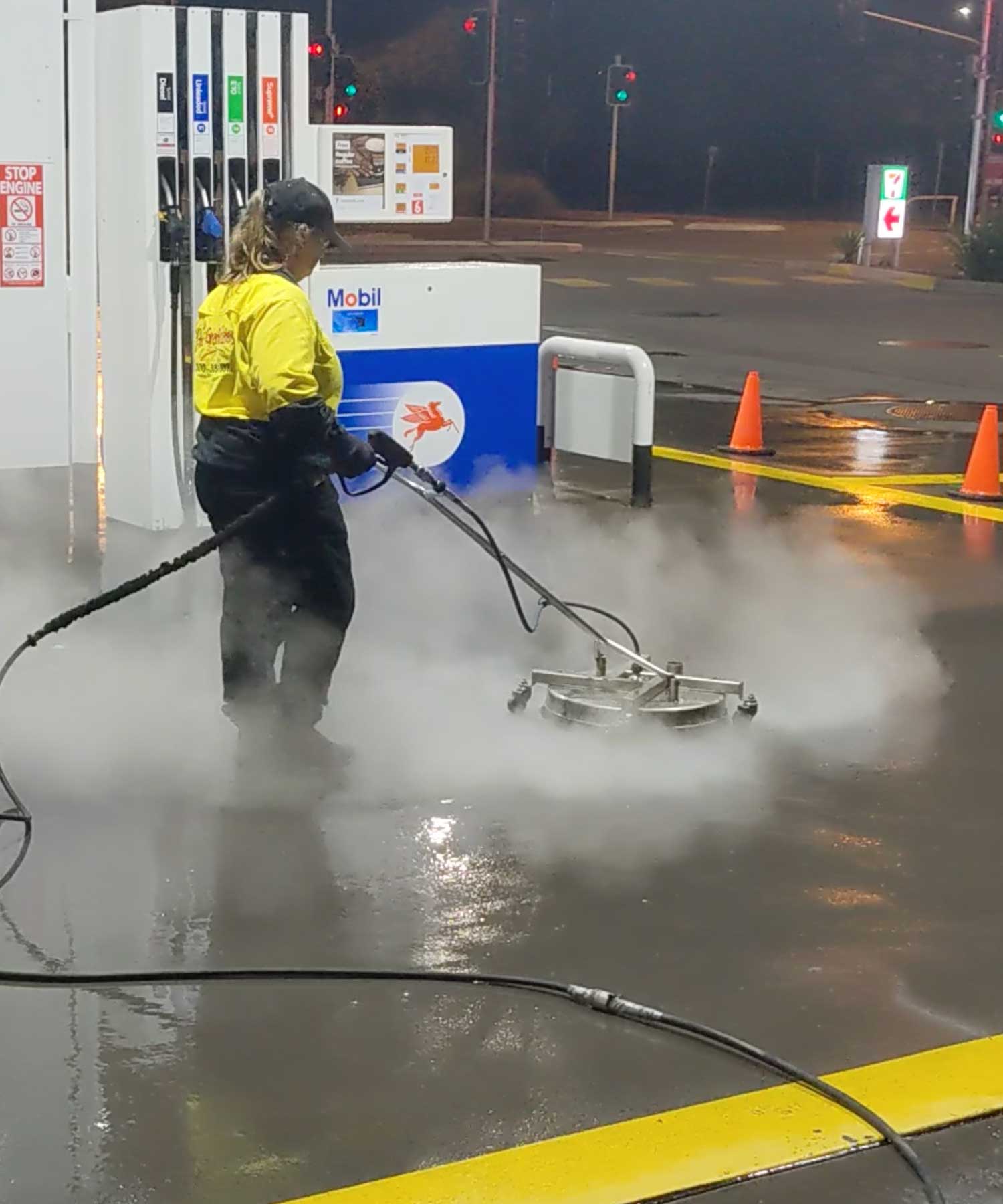
At The Graffiti Eaters, we understand the importance of managing graffiti in high-risk areas effectively. Our trained technicians use specialised cleaning solutions and custom-built pressure washing equipment to remove graffiti from brick, concrete, glass, metal, and more—all while preserving the integrity of the surface. We offer anti-graffiti coatings, consultation on prevention strategies, and a rapid response service that ensures your property remains presentable and secure.
Protecting High-Risk Areas Through Proactive Management
High-risk areas demand a proactive, coordinated approach to graffiti management. By understanding the environments most likely to attract vandals, identifying the types of graffiti they produce, and promptly removing any existing graffiti, you can significantly reduce future occurrences. Coupled with preventative measures such as improved lighting, community engagement, and anti-graffiti coatings, these strategies help maintain a safe, clean, and welcoming environment for all.
Contact Us Today
If you’re ready to take control of graffiti in your high-risk areas, contact The Graffiti Eaters. Our professional removal services, preventative treatments, and expert advice will help safeguard your property and foster a positive image for your community. Let us work with you to keep your spaces looking their best.