Urine Stain Removal
Urine staining on hard outdoor surfaces is more persistent than most people expect. It’s acidic, it penetrates quickly into porous materials like bluestone, sandstone, limestone, and concrete, and the odour-causing compounds don’t wash out with water — they bind to the surface and intensify over time, particularly in warmer months.
The same problem occurs on artificial grass, where urine drains through but leaves behind uric acid crystals in the fibres and backing material that cause persistent odour regardless of how often the surface is hosed down.
Professional treatment removes both the staining and the odour at the source — not just masking the problem temporarily.


How We Remove Urine Stains
Urine removal requires a two-stage cleaning solution process — neutralising the acidity first, then extracting the contamination from the surface. Applying a cleaning product without neutralising the acid first can cause further etching on sensitive surfaces and makes the underlying stain harder to remove.
Surface assessment
Different surfaces respond differently to urine contamination. Bluestone, limestone, and sandstone are particularly susceptible to etching from urine acidity — staining on these surfaces may not be visible until a sealer is applied, at which point the marks become clearly apparent. Our technician assesses the surface and stain before selecting the appropriate treatment.
Alkaline neutralisation
An alkaline cleaning solution is applied first to neutralise the acidity of the urine contamination, bringing the surface back to a neutral pH. This stops further etching and prepares the surface for extraction.
Extraction treatment
A follow-up cleaning solution draws the urine contamination out of the substrate to the surface, where it can be removed. On artificial grass, the treatment is worked into the fibres and backing material to address contamination below the surface level — not just on top of it.
Pressure washing
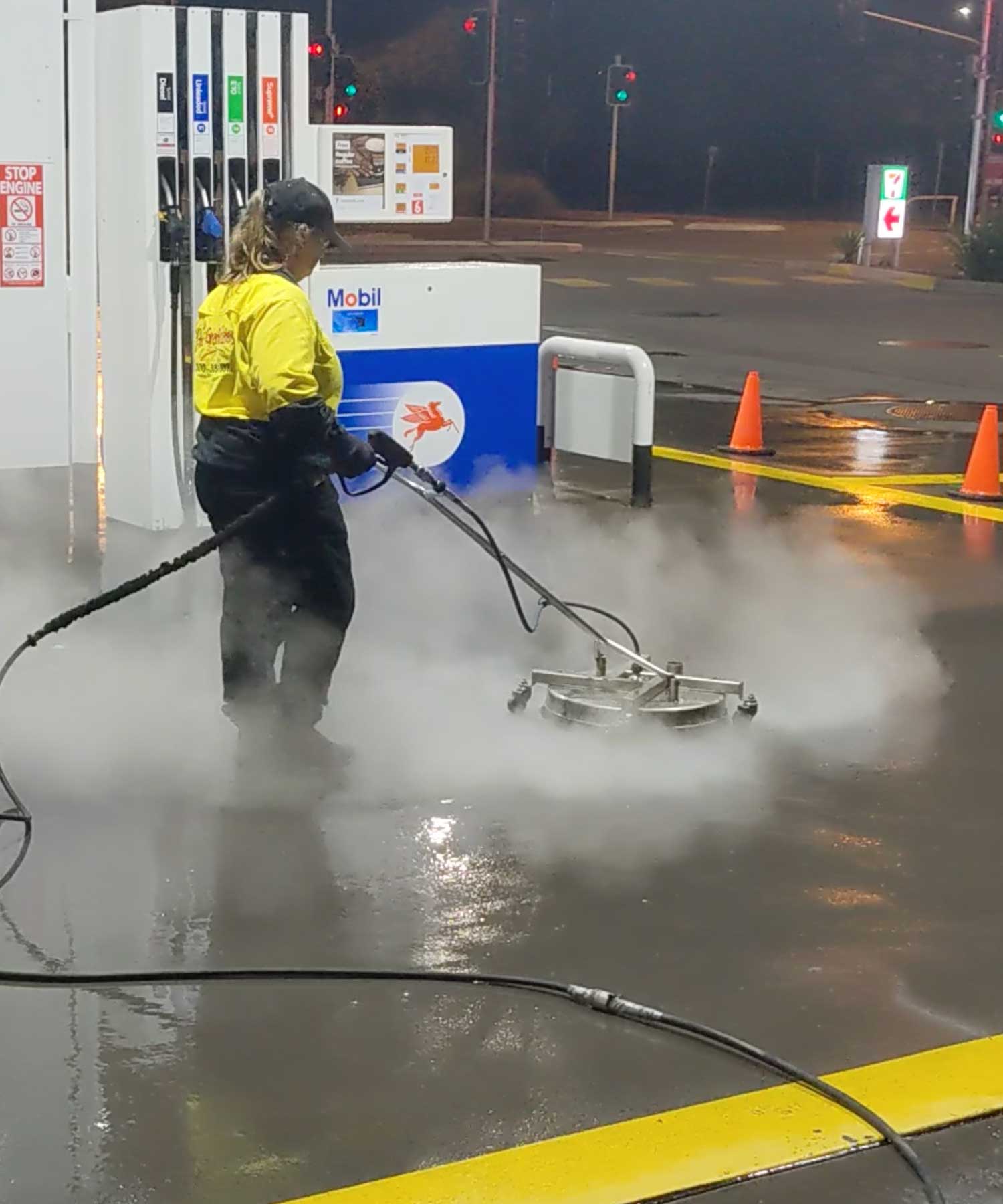
Hot water pressure washing removes the extracted contamination thoroughly from hard surfaces. On artificial grass, a thorough rinse flushes the treatment residue and contamination through the pile and backing.
Odour elimination
The enzyme-based treatment process breaks down the uric acid crystals responsible for persistent odour rather than simply masking the smell — leaving the surface hygienically clean and genuinely odour-free.
Surfaces We Treat
Hard outdoor surfaces:
- Bluestone paving — particularly susceptible to urine etching
- Sandstone and limestone
- Concrete, brick, and exposed aggregate
- Granite and natural stone
Artificial grass and synthetic turf
Urine drains through artificial grass but leaves uric acid compounds in the fibres and backing material. Regular hosing doesn’t remove these — professional treatment with enzyme-based solutions is the only effective way to eliminate the odour and bacterial build-up, particularly in warmer months when bacteria multiply faster and the problem intensifies.

Residential and Commercial Applications
Residential — pet owners and artificial grass
Dog urine on artificial grass and paved areas is one of the most common requests we receive. The odour builds up over time and worsens in summer heat. A professional treatment makes an immediate difference, and scheduled visits keep the area consistently fresh.
Commercial — public areas and shared spaces
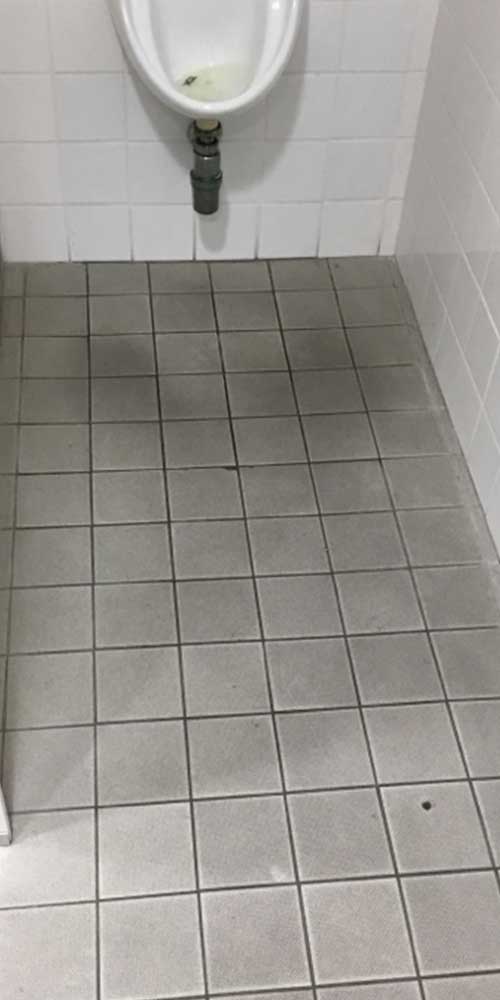
Urine staining and odour in public toilet surrounds, stairwells, and outdoor common spaces at shopping centres and strata properties reflects directly on how the property is managed. Regular treatment as part of a maintenance agreement keeps these areas clean and hygienic.
Animal facilities
Kennels, dog runs, veterinary facilities, and animal boarding properties require regular urine removal and sanitisation to maintain hygiene standards and odour control.
What to Expect on Every Job
- On-site assessment before work begins — surface type, stain severity, and treatment approach confirmed
- Alkaline neutralisation applied first to address surface acidity
- Extraction treatment to draw urine contamination out of the substrate
- Enzyme-based odour elimination — not masking
- Hot water pressure washing to remove extracted contamination from hard surfaces
- Road and footpath closure permits arranged where required
- Risk report provided before work begins
- $20 million public liability insurance on every job
- ISO-audited operations — Quality (ISO 9001), OH&S (ISO 45001), Environmental (ISO 14001)
Protect the Surface After Treatment
Sealing porous hard surfaces after urine stain removal significantly reduces future penetration — making the surface easier to maintain and preventing deep staining from recurring.
We offer stain proofing and driveway and pavement sealing suitable for bluestone, concrete, sandstone, and paved surfaces.