Efflorescence Removal
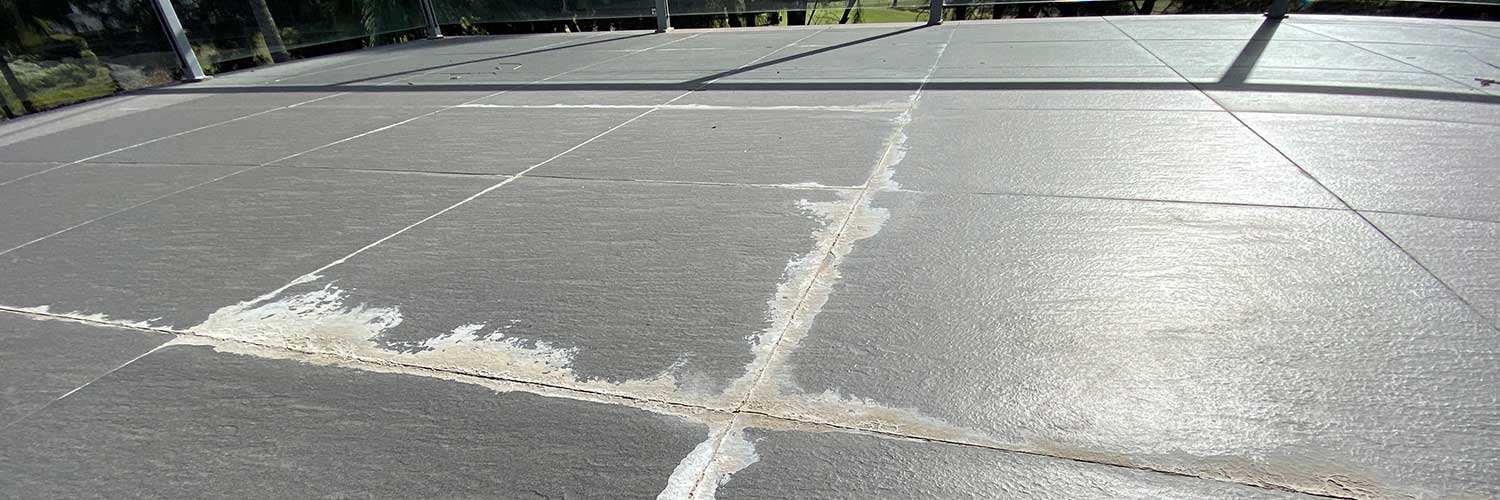
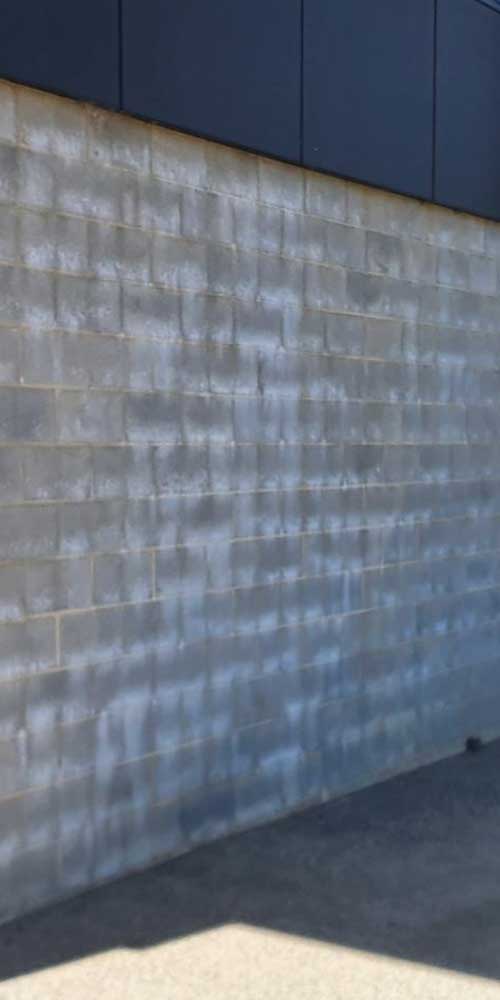
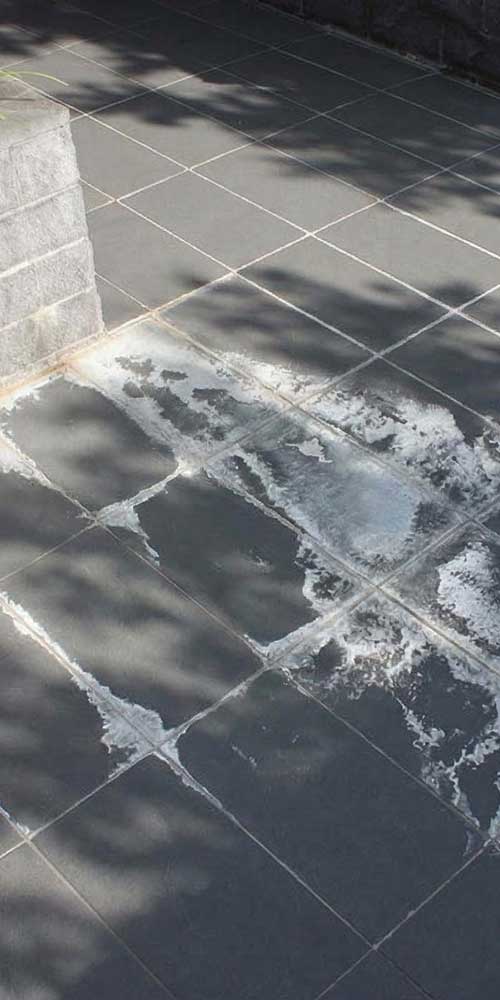
Efflorescence — the white, chalky deposits that appear on brick, concrete, render, and mortar — is one of the most common surface problems on Australian properties, and one of the most misunderstood.
It isn’t dirt, and it doesn’t wash off with a hose. It’s crystallised salts and lime drawn to the surface by moisture moving through the substrate. Pressure washing alone redistributes the deposits rather than removing them — and the wrong cleaning solution treatment can etch the surface or make the staining worse.
Proper removal requires a specialist cleaning solution process that dissolves the deposits without damaging the underlying material.
How We Remove Efflorescence
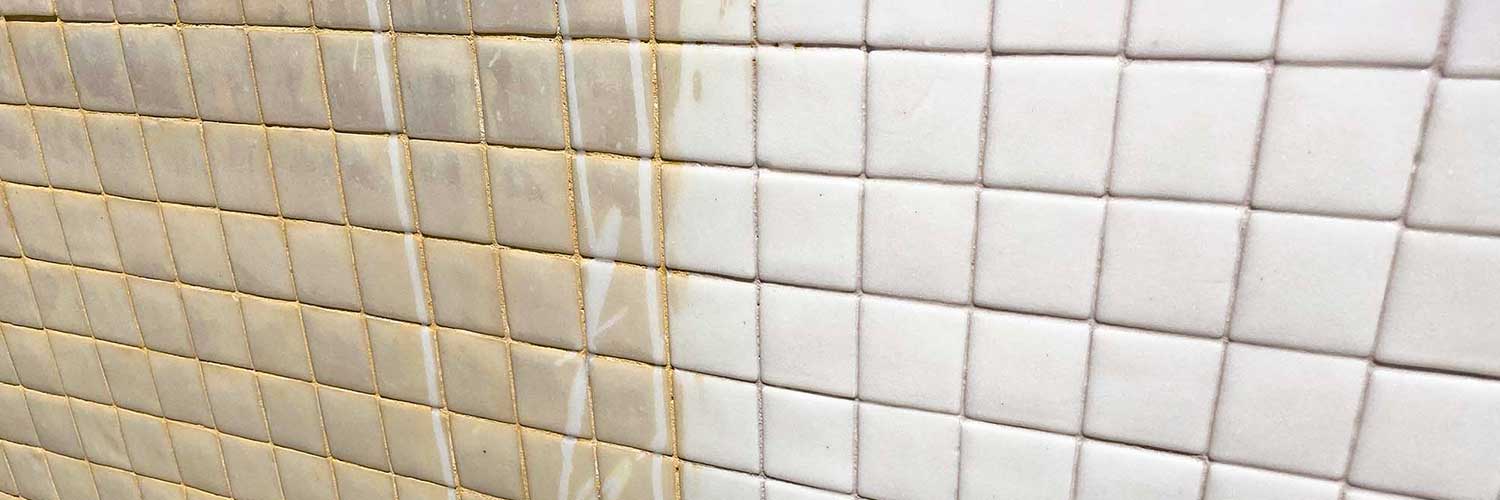
Efflorescence removal requires the right cleaning solution approach for the surface type and the severity of the deposits. Our technicians assess both before selecting the treatment — the same solution that works on concrete pavers can damage rendered or natural stone surfaces if applied incorrectly.
Surface and stain assessment
Before work begins, our technician identifies the surface material, the extent of the efflorescence, and the likely moisture source. Understanding what’s causing the moisture migration is important — treating the surface without addressing the source means the deposits will return.
Specialist cleaning solution treatment
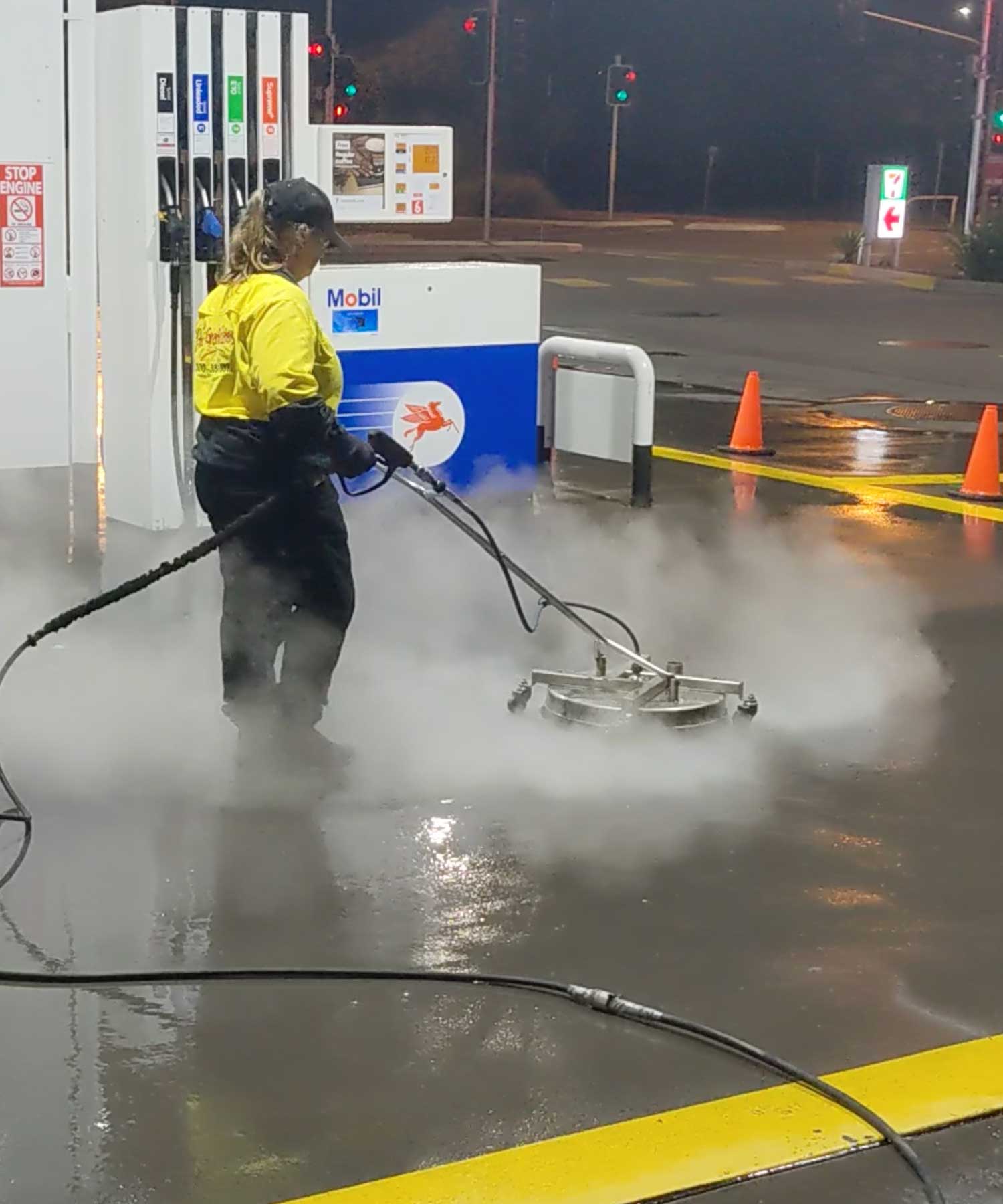
A carefully formulated acidic cleaning solution is applied to dissolve the crystallised salt and lime deposits. The solution is matched to the surface type and concentration of deposits, and allowed to dwell for the time needed to break down the crystalline structure before washing begins.
Pressure washing
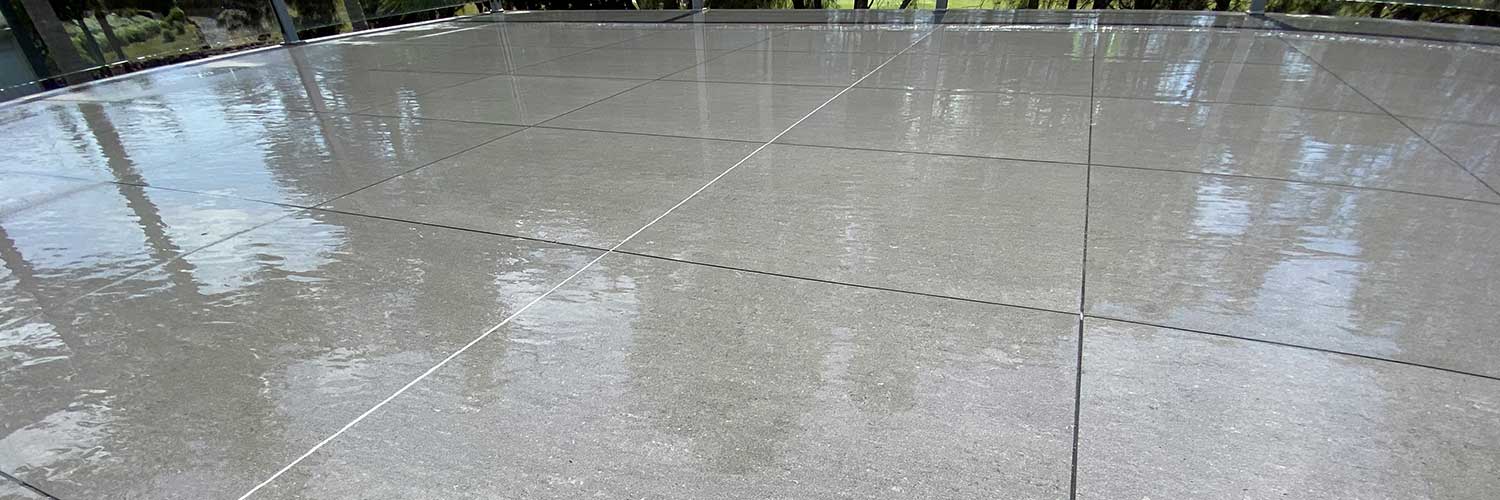
Once the cleaning solution treatment has dissolved the deposits, the surface is thoroughly pressure washed to flush away the dissolved residue. Hot water is used where the surface and deposits suit it — improving the effectiveness of the flush and leaving the surface clean and clear.
What Causes It
Efflorescence is always a moisture problem. Common causes include:
- Poor or failed waterproofing on walls and structures
- Inadequate drainage causing water to pond against masonry
- Rising damp in older structures
- Rainwater penetration through construction gaps or cracked render
Where Efflorescence Appears
- Brick walls and mortar joints
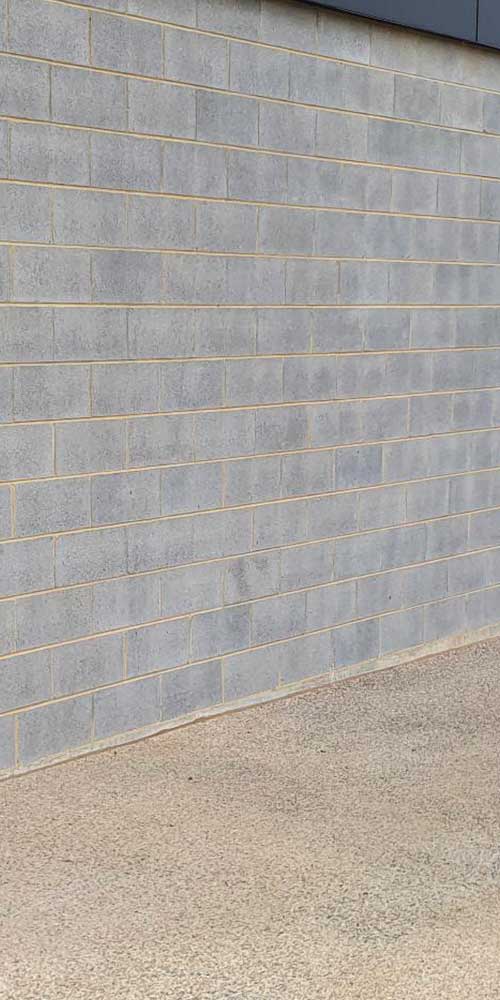
- Concrete block and precast concrete
- Rendered walls and facades
- Retaining walls
- New construction surfaces
Residential and Commercial Efflorescence Removal
Residential properties
Efflorescence on rendered walls, brick facades, retaining walls, and paved areas is a common problem for homeowners — particularly on newer builds where curing moisture is still working its way out of the substrate, and on older properties where waterproofing has degraded over time. The deposits make a property look poorly maintained and, left long enough, can be a signal of an underlying moisture problem worth investigating.
Commercial and strata properties
Brick and rendered facades, car park structures, retaining walls, and paved common areas at commercial and strata properties are all prone to efflorescence. For property managers, the appearance issue is compounded by the fact that persistent efflorescence can indicate a waterproofing deficiency that will cost significantly more to rectify if left unaddressed. Regular treatment as part of a maintenance agreement keeps the surfaces presentable and provides an early indicator of moisture issues before they escalate.
What to Expect on Every Job
- On-site assessment before work begins — surface type, deposit severity, and moisture source identified
- Specialist cleaning solution treatment applied and dwelled to dissolve crystallised salt and lime deposits
- Pressure washing to flush dissolved residue from the surface
- Surface condition and sealing options discussed after treatment
- Risk report provided before work begins
- $20 million public liability insurance on every job
- ISO-audited operations — Quality (ISO 9001), OH&S (ISO 45001), Environmental (ISO 14001)
Seal the Surface After Treatment
Sealing the surface after efflorescence removal is the most effective way to reduce recurrence. A quality sealer reduces the porosity of the surface and limits the moisture movement that draws salts to the surface in the first place — particularly effective on brick, concrete, render, and pavers.
We offer stain proofing and driveway and pavement sealing suitable for a range of surface types and finishes.