Graffiti Removal from Vehicles and Equipment
From cars and buses to trains, trucks, and heavy earthmoving equipment — graffiti on vehicles and mobile assets requires a careful, surface-specific approach to avoid damaging the finish.
Vehicles and mobile equipment represent a significant asset investment — and graffiti removal on these surfaces carries more risk than on a brick wall or fence. The wrong cleaning solution, too much pressure, or an abrasive technique can permanently damage a painted finish, corrode bare metal, or leave swirl marks and etching that are costly to repair.
Getting it right requires specialist knowledge of both the graffiti substance and the vehicle surface — and a careful, methodical approach every time.
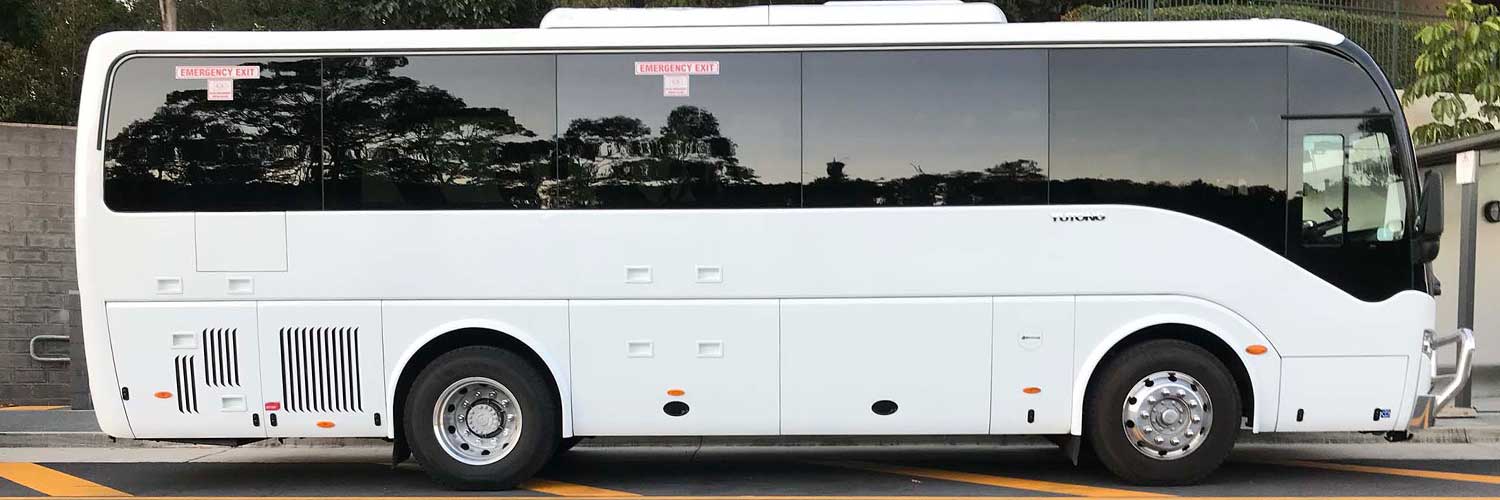
Painted Vehicle Finishes — Cars, Buses, and Painted Equipment
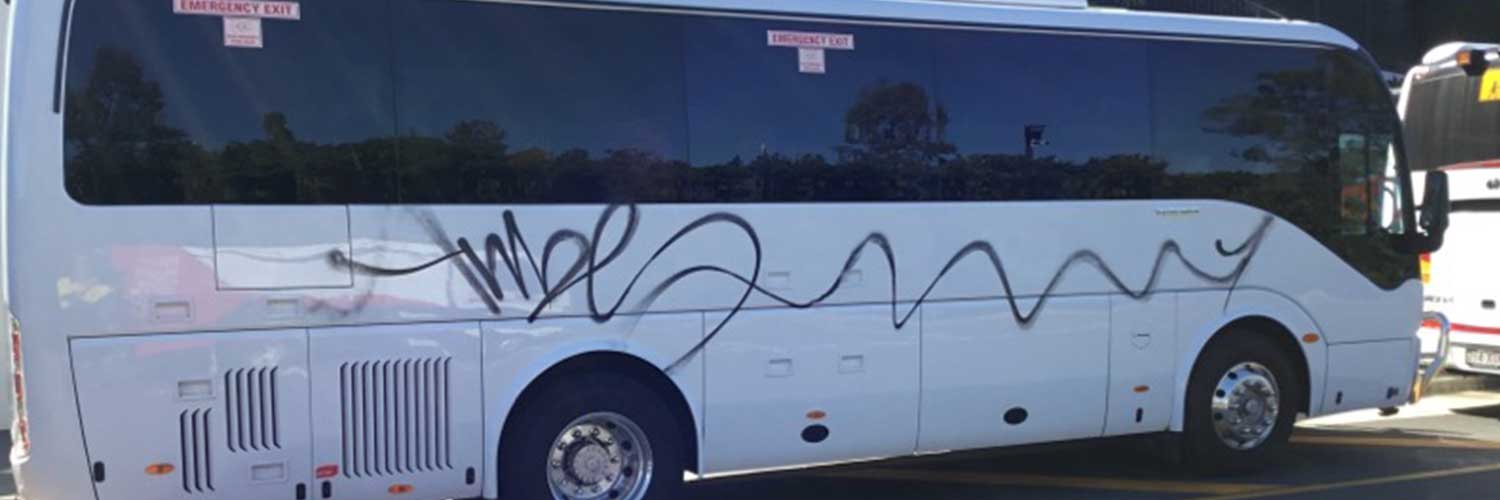
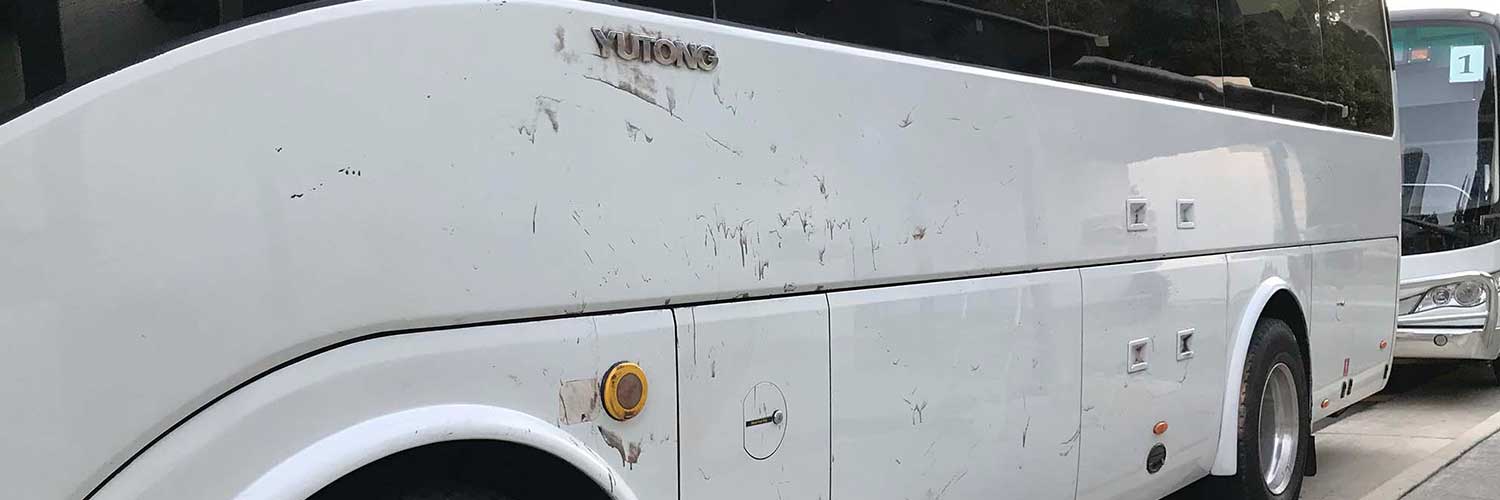
For vehicles with a conventional painted finish — including cars, buses, painted trucks, and painted earthmoving equipment — we use a delicate hand treatment process designed to remove the graffiti without affecting the underlying paint.
How we treat it:
1. Graffiti cleaning solution
A carefully selected, delicate graffiti cleaning solution is applied by hand to the affected area. The solution is chosen to break down the graffiti substance without reacting with the vehicle’s paint finish.
2. Neutralising solution
Once the graffiti has been removed, a neutralising solution is applied to the surface. This protects the paint and the underlying metal from any residual cleaning solution activity and prevents corrosion.
3. Light buff if required
Where any minor surface haze or residue remains after treatment, a light buff is used to restore the finish to its original condition.
The result is a clean surface with the vehicle’s paint finish fully intact — no etching, no discolouration, and no damage to the clear coat.
Trains and Bare Metal Bodies
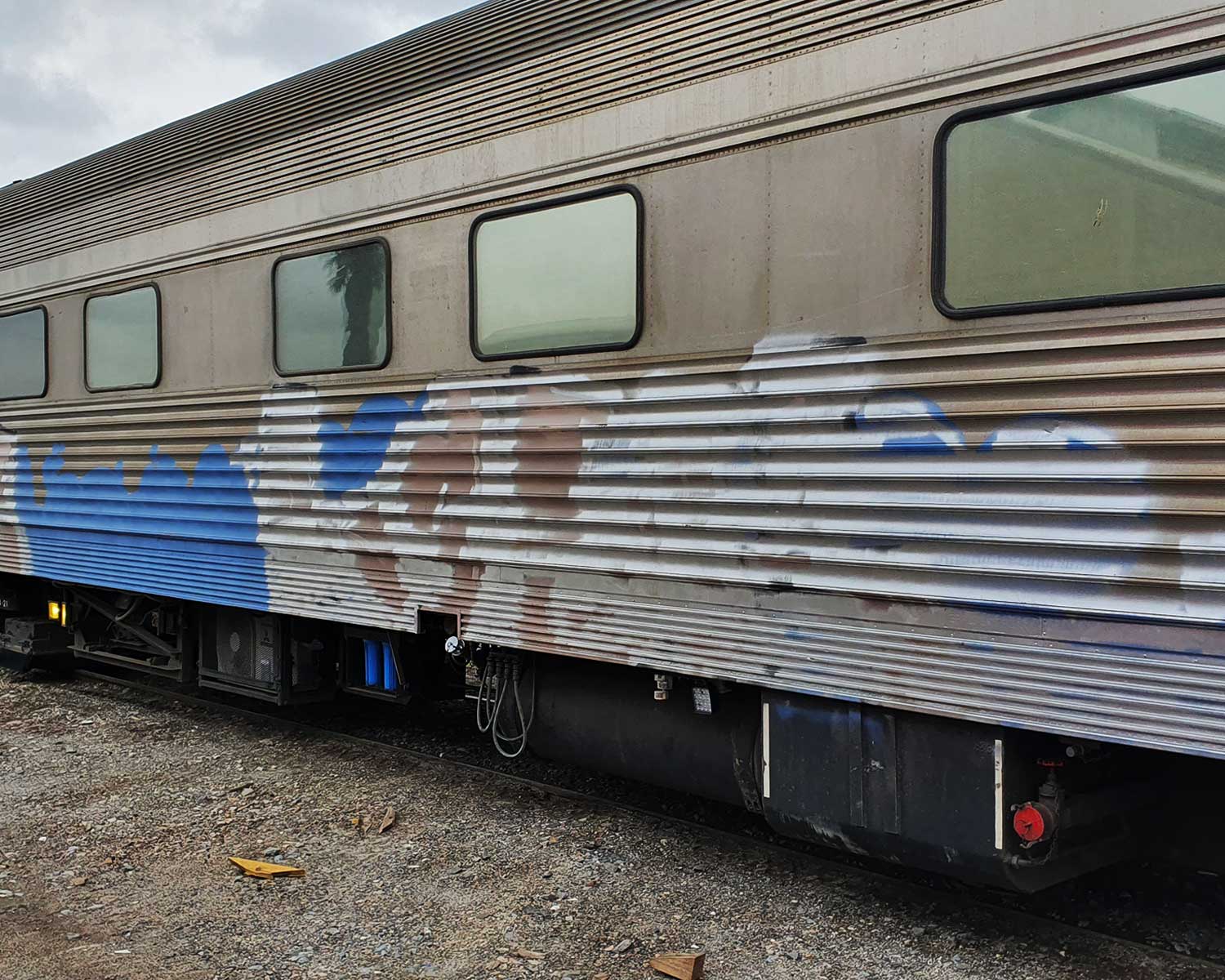
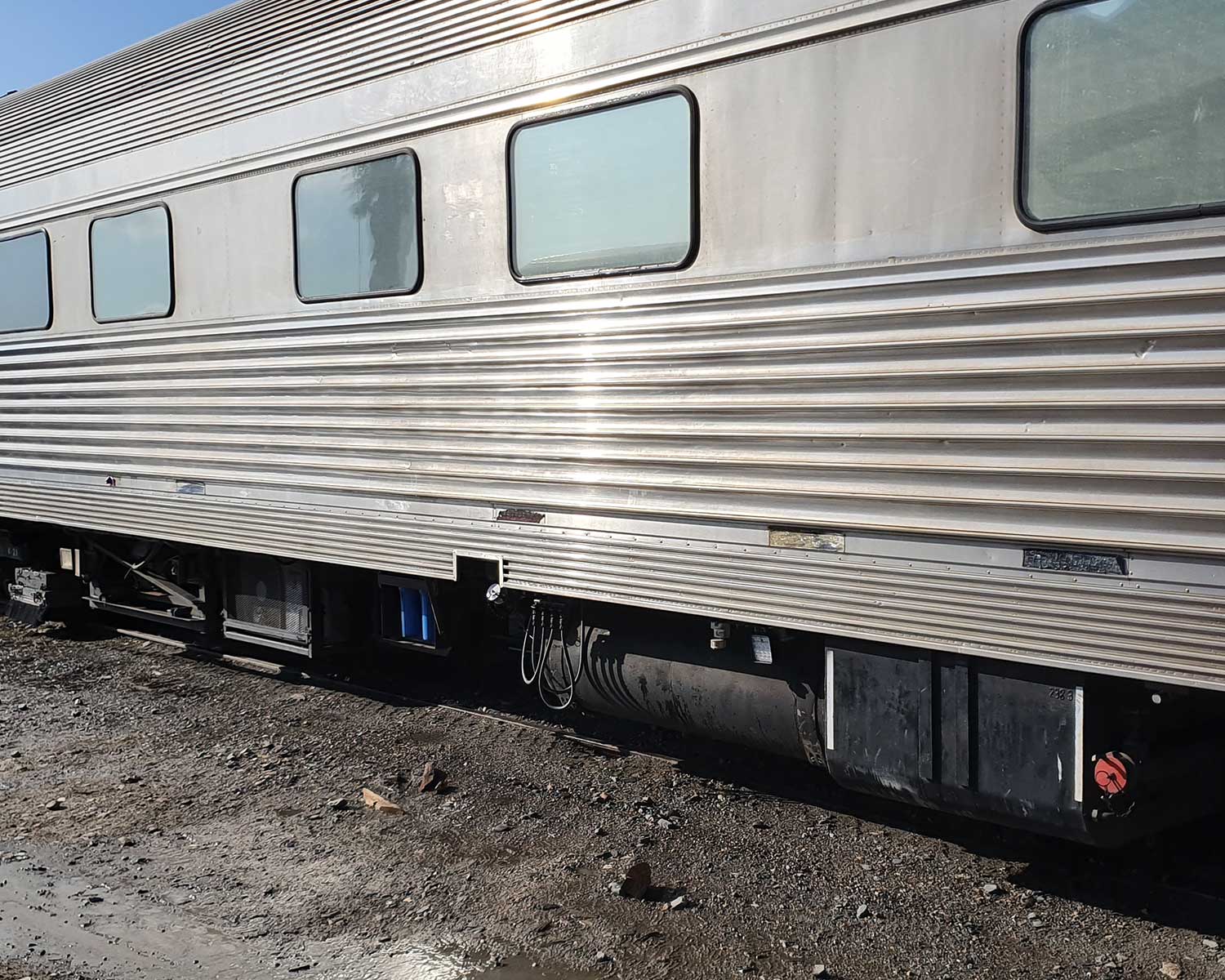
Train carriages and rolling stock present a different set of challenges. The bodies are often bare or treated metal rather than a conventional painted finish, and the scale of graffiti on trains can be significant — covering large surface areas with heavy paint build-up.
How we treat it:
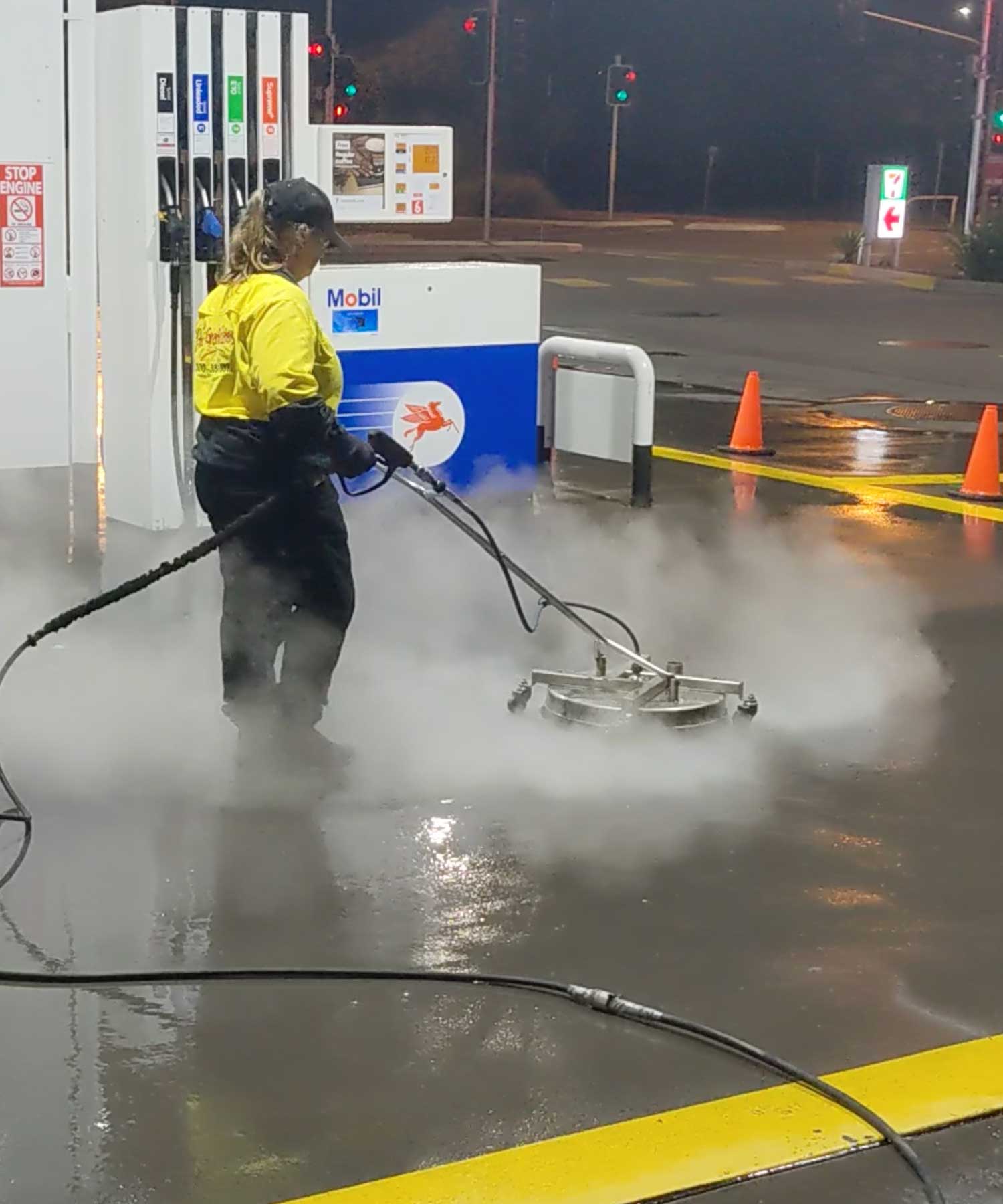
Our technicians select a cleaning solution suited to the specific metal surface and the type of graffiti involved, then combine this with gentle pressure washing to lift and flush the graffiti from the surface. The approach is tailored to the finish — whether that’s bare metal, a primed surface, or a specific protective coating — to ensure effective removal without causing surface damage or corrosion.
We have experience working with rail operators and understand the operational requirements around access, safety, and turnaround times that come with this type of work.
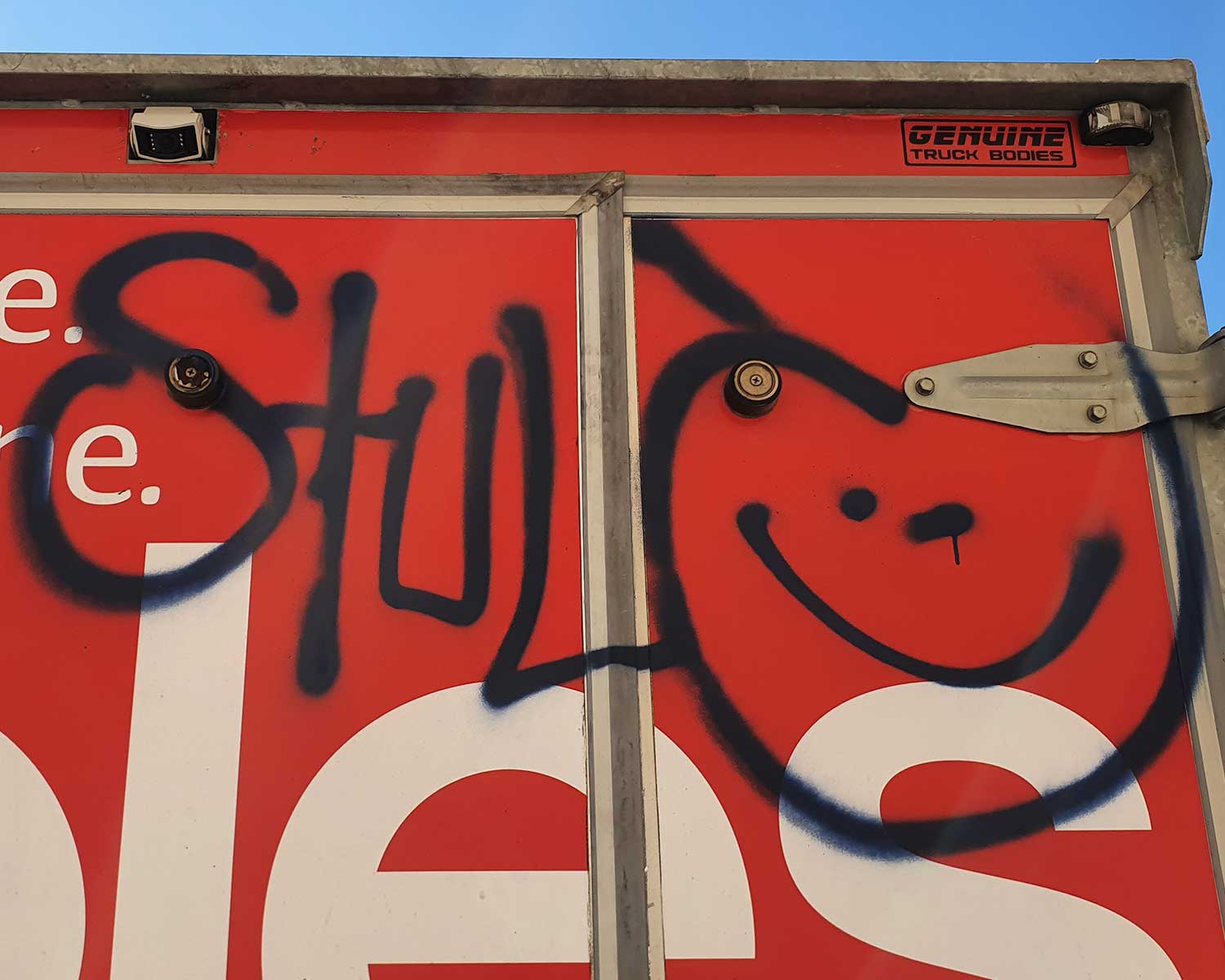
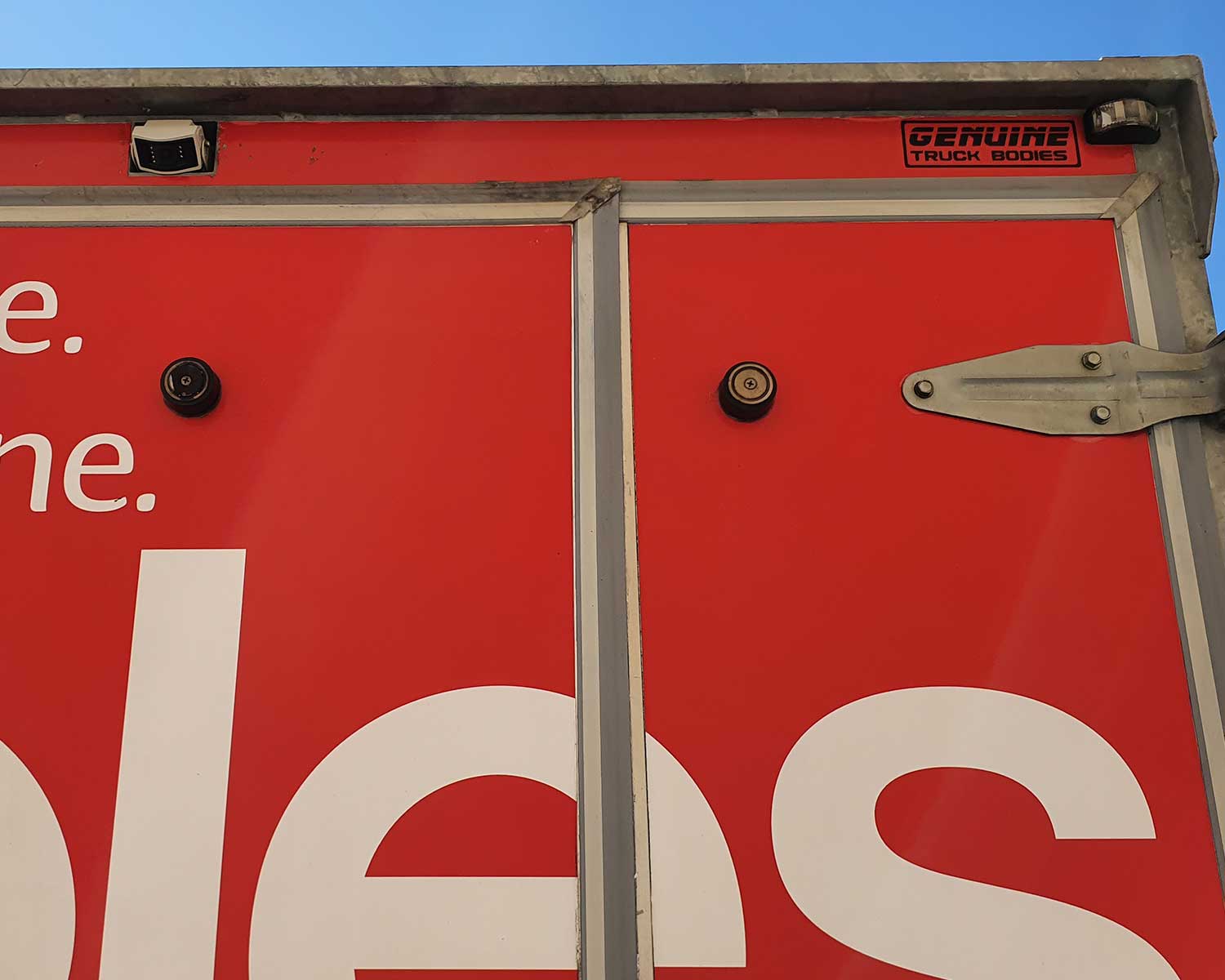
Trucks — Signage Wraps and Curtain Sides
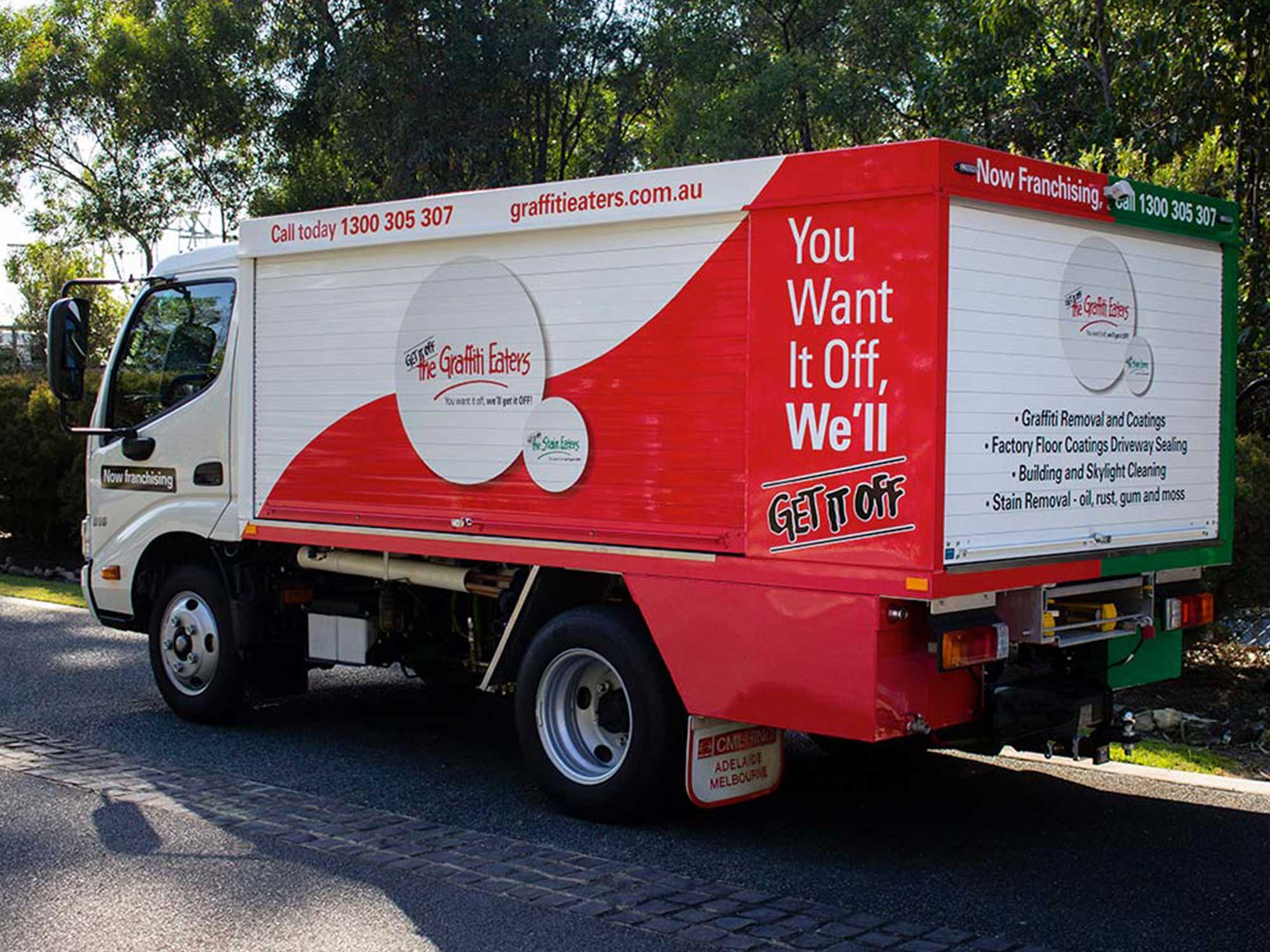
Trucks present a combination of surface types that each require their own approach — from painted cab panels through to digitally printed signage wraps and flexible curtain-side trailers.
Digitally printed signage wraps:
Most modern truck bodies feature digitally printed vinyl wraps rather than painted finishes, and these require particular care. The cleaning solution must be selected to break down the graffiti without lifting, cracking, or discolouring the printed wrap. Hand application and careful technique are essential to protect the integrity of the graphics and the adhesive beneath.
Curtain sides:
Truck curtains are a flexible PVC material that also commonly carry digitally printed graphics. Suitable cleaning solutions are selected for the curtain material and applied carefully, with either hand cleaning or gentle pressure washing used to remove the graffiti without damaging or distorting the curtain or its printed artwork.
Earthmoving and Heavy Equipment
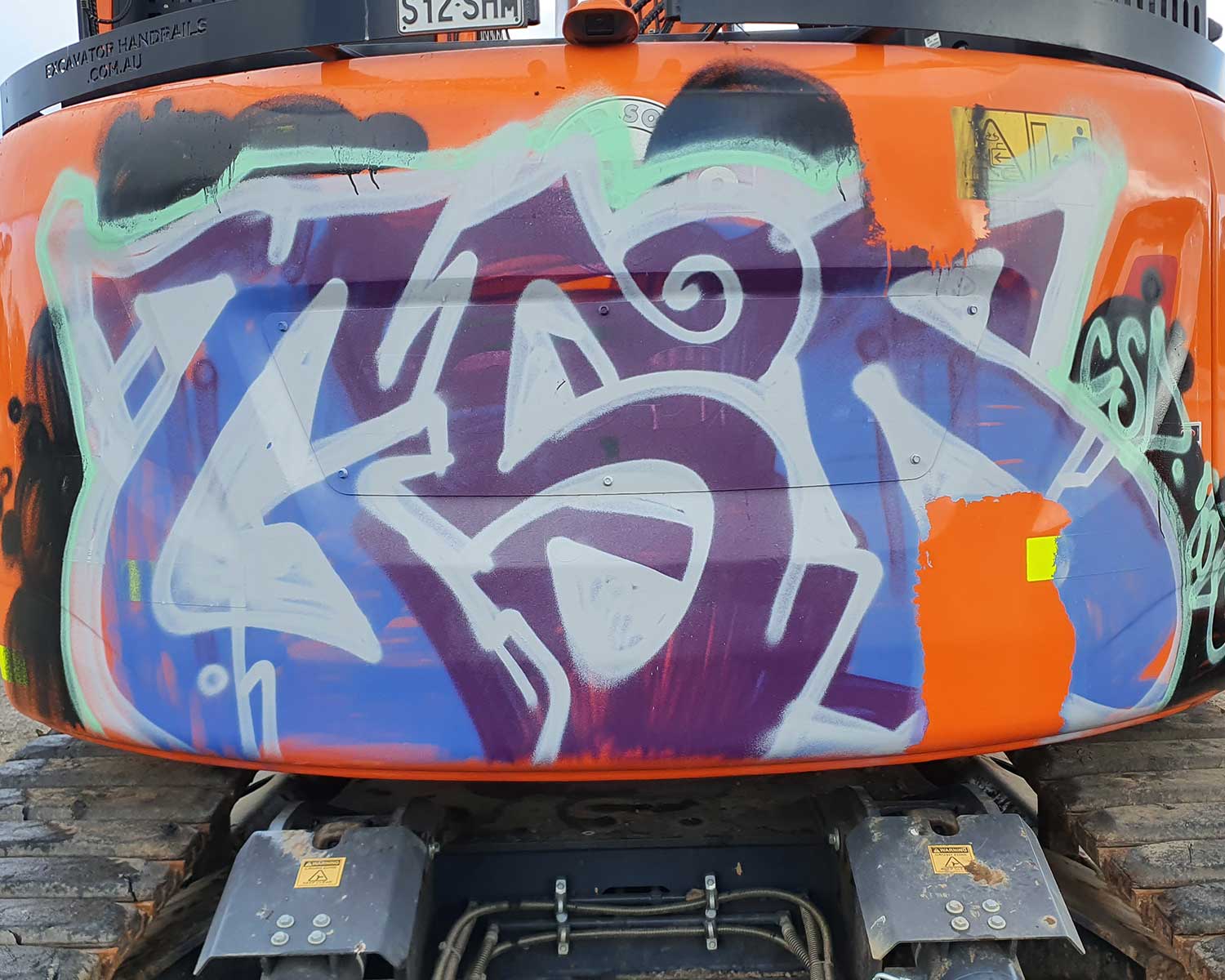
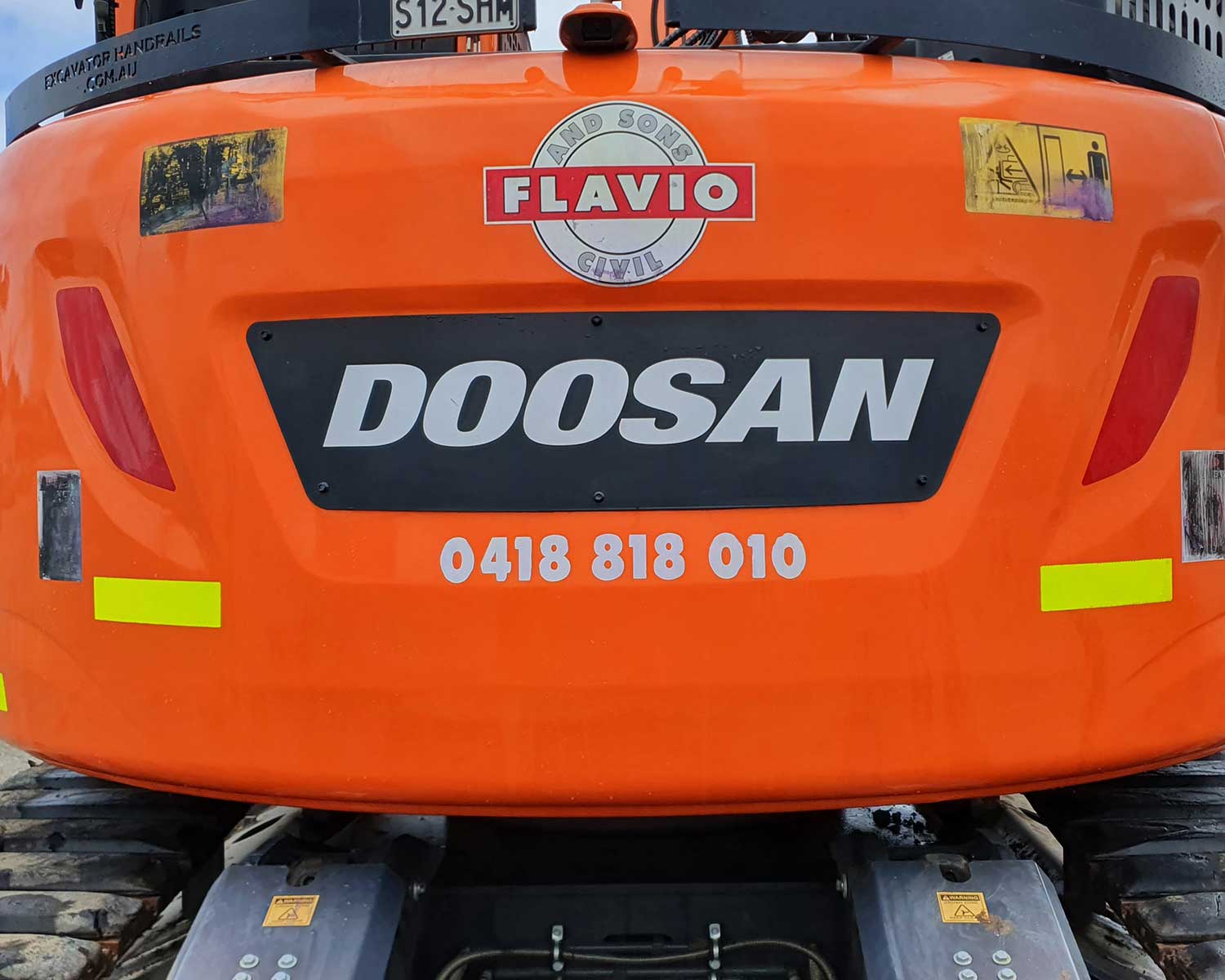
Large earthmoving equipment — excavators, loaders, graders, and similar machinery — is often targeted when left on site overnight or over weekends.
These machines typically have a painted finish similar to other vehicles, and are treated accordingly using our hand application process with appropriate cleaning and neutralising solutions.
What to Expect
- Surface-specific treatment — the cleaning solution and method are always matched to the vehicle surface and graffiti type
- Hand application for all painted vehicle finishes to ensure maximum control and protection
- Neutralising treatment applied after cleaning to protect paint and metal from corrosion
- Gentle pressure washing used where appropriate for metal and curtain surfaces
- $20 million public liability insurance covers every job
- Experienced working with fleet operators, rail operators, and transport businesses with operational scheduling requirements
Act Quickly for the Best Result
Fresh graffiti that hasn’t had time to fully cure is significantly easier to remove from vehicle surfaces — and far less likely to require multiple treatment passes or leave any residual marking. The longer graffiti is left, the more deeply the paint bonds to the surface, and the more intensive the treatment required.
For fleet operators and transport businesses managing multiple vehicles, a maintenance agreement ensures rapid response and consistent results across your entire fleet.
Protect Your Fleet from Future Graffiti
For vehicles and equipment that are regularly targeted, our team can advise on appropriate protective options — including anti-graffiti coatings for certain vehicle surfaces — that make future incidents quicker and cheaper to deal with.