
Spray Paint vs Substrate: How Different Surfaces React
Not all graffiti behaves the same. The paint chemistry is one half of the story; the surface it lands on is the other. Porous materials draw colour deep into their pores, smooth coatings hold it on the face, and delicate finishes can bruise or cloud if you rush in with the wrong method. Understanding this is the difference between a clean, even result and a permanent “halo”.
Brick
Brick is highly porous, with capillaries that wick carrier solvents and pigment below the surface as spray paint flashes off. Once resins cure, colour locks in and simple scrubbing or cold-water blasting often leaves a shadow. The safe approach is to release the binders first with specialist graffiti cleaning solutions chosen for brick, then use a measured rinse under controlled pressure so texture and mortar aren’t scoured. Early treatment (within 24–48 hours) dramatically reduces ghosting.
Raw concrete and precast
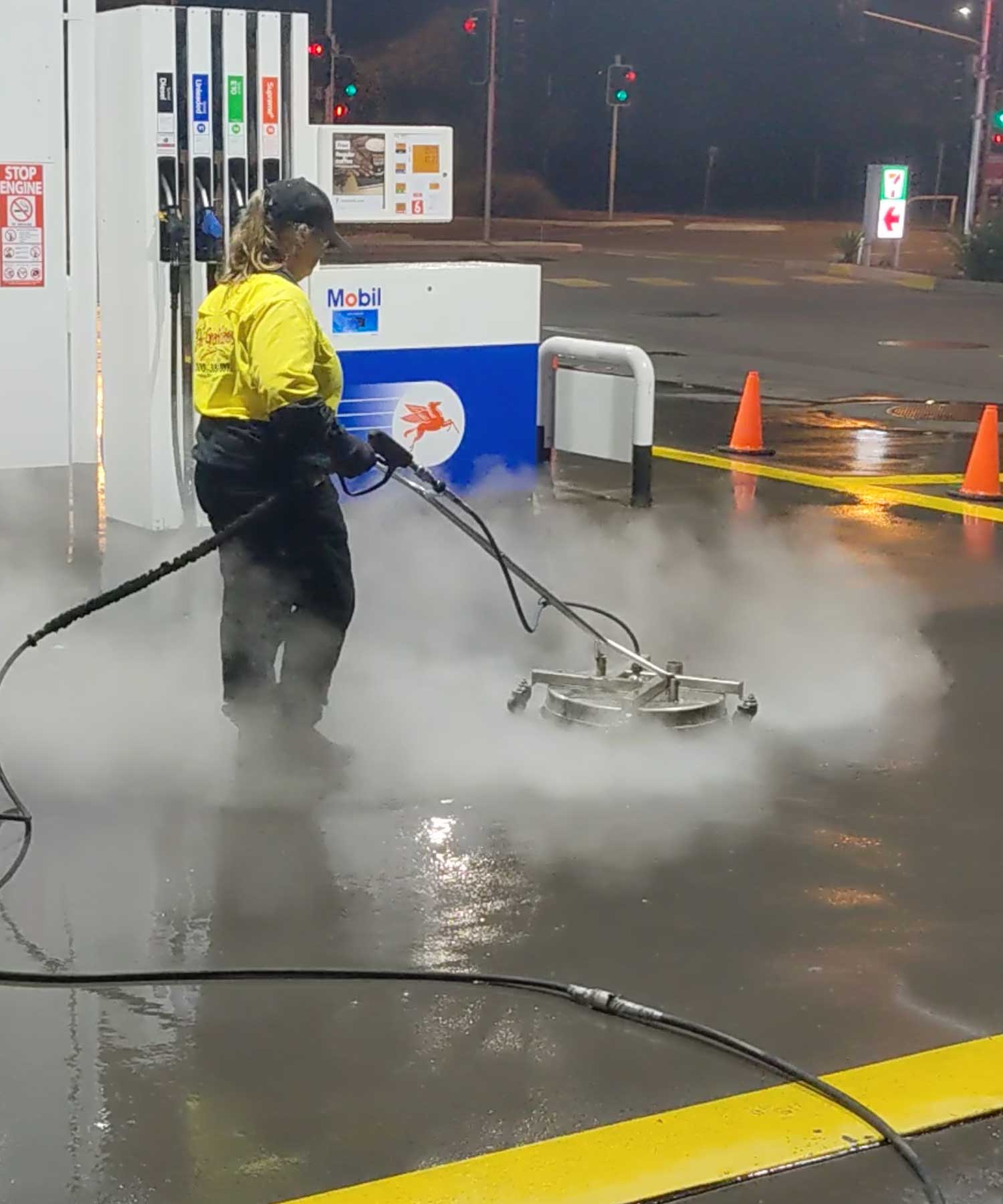
Concrete and precast panels vary in density but share micro-porosity that holds dye. Form-release residues, laitance and weathering can complicate removal, and heavy pressure risks “tiger striping” or exposing the cream. We test a small area, break down the paint film with the right cleaning solutions, and follow with our custom-built pressure washing systems under controlled pressure to flush residue from the texture without etching the face.
Sandstone and other natural stone
Sandstone is beautiful—and fragile. Its open structure and soft grains take on colour quickly, while over-aggressive washing can pit the surface or round edges. A chemistry-led clean is safer: apply specialist cleaning solutions at low pressure, allow the right dwell time, and rinse gently so the stone reads natural and even. On stubborn residues, retreatment is preferred over force.
Render and painted façades
Textured render and aged paint films can act like sponges, drawing pigment into micro-cracks and oxidation. High pressure can bruise the finish or drive water into joints. We generally favour a hand application treatment process here: targeted cleaning solutions to release colour, controlled dwell, then a light rinse so colour and sheen stay consistent across the elevation. If a shadow remains, we can advise on stain-blocking and compatible recoats after full decontamination.
Colorbond and other coated metals
Factory finishes are thin and easy to mark. Strong thinners can bloom the coating, and abrasive pads leave dull patches that read from the street. On Colorbond, powder-coated frames and metal doors, our technicians use a methodical hand application with the correct cleaning solutions for the paint type, minimal agitation, and a careful rinse so edges, gloss and branding remain intact.
Plastics and polycarbonate
Plastics are sensitive to solvents and heat. The wrong product clouds clear panels, softens edges and lifts printed graphics. We identify the plastic type, then use gentle, substrate-safe cleaning solutions and hand technique to release marker dyes and spray colour without crazing, hazing or lifting labels. Patience and light touch matter more than power.
Glass
Glass seems easy, but overspray and primers can still key to micro-defects, and aggressive abrasives leave fine scratching that shows in low sun. Our process is simple and controlled: soften the film with the right cleaning solutions, lift cleanly, and finish with a streak-free rinse—no scour marks, no residue on seals.
Why “DIY first” makes ghosting worse
Thinners push colour deeper and dull coatings. Wire brushes and scouring pads abrade faces and leave pale “clean patches”. Cold-water blasting forces dye into pores and joints. If you’ve already cleaned and a halo remains, there’s still a path forward; we can re-treat with targeted cleaning solutions, and where residue persists in porous materials, we have a specialised ghosting treatment that is applied and left to fade remaining pigment over time—avoiding harsh abrasion and unnecessary repainting.
The Graffiti Eaters approach
Every site starts with identification: substrate, coating condition, paint or ink type, and exposure. Our technicians select specialist graffiti cleaning solutions for the exact combination, test discreetly, and choose a low-impact method first—often by hand on delicate assets. Once the colour releases, we complete the clean with our custom-built pressure washing systems under controlled pressure appropriate for the surface, so the finish looks even from the kerb.
If you’re facing fresh spray paint, speed helps. Within 48 hours, colour hasn’t fully migrated or cured; the right early treatment is faster, cleaner and more cost-effective.