
Graffiti Removal from Utility Cabinets and Service Boxes
Utility cabinets, electrical boxes and communications enclosures are common targets for graffiti because they are often located in exposed, highly visible areas. You see them along footpaths, beside roads, outside commercial properties, in shopping precincts and throughout public spaces, which makes them an easy target for spray paint, marker, stickers and other forms of vandalism.
Once tagged, these cabinets can quickly make the surrounding area look poorly maintained. For councils, utilities, transport operators and property managers, keeping this type of public-facing infrastructure clean is an important part of maintaining the appearance of the wider environment. The challenge is that graffiti removal from utility cabinets is not always as straightforward as it looks.
Why Utility Cabinets Need Careful Cleaning
Most utility cabinets are made from metal, but the finish can vary considerably. Some are powder coated, some are painted, and others may incorporate aluminium, plastic components or specialised protective coatings. They may also carry warning labels, identification markings or other important information that needs to remain intact during cleaning.
This means the strongest graffiti remover is not necessarily the right choice. An aggressive solvent might remove spray paint quickly, but it could also affect the cabinet finish, fade the coating or damage labels underneath. Similarly, excessive scrubbing or abrasive cleaning can leave scratches or permanently change the appearance of the surface. The cleaning method therefore needs to be matched to both the graffiti and the substrate underneath it.
Different Types of Graffiti Need Different Treatment
Utility cabinets can be affected by more than just spray paint. Permanent marker, paint pens, inks, stickers and adhesive residue are also common, and each type of contamination behaves differently once it bonds to the surface.
A product that works well on spray paint may not be suitable for marker ink or adhesive residue, so the first step is to assess what has been applied and how the surface is likely to respond. The age of the graffiti also matters, because paint and ink that have been exposed to heat, weather and UV for a long period can become more difficult to remove cleanly.
The Graffiti Eaters use specialist cleaning formulations selected according to the type of graffiti and the surface being cleaned. This allows the treatment to focus on breaking down the unwanted material without relying on unnecessary force.
Protecting the Cabinet Is Part of the Job
Utility cabinets are functional assets, not just blank surfaces. Their protective coating is there for a reason, and damaging that coating during graffiti removal can create another maintenance issue.
If the finish is scratched, stripped or weakened, the exposed area may become more vulnerable to corrosion or general deterioration. For that reason, a successful clean is not simply one where the tag disappears. The real goal is to remove the graffiti while leaving the original surface as consistent and undamaged as possible.
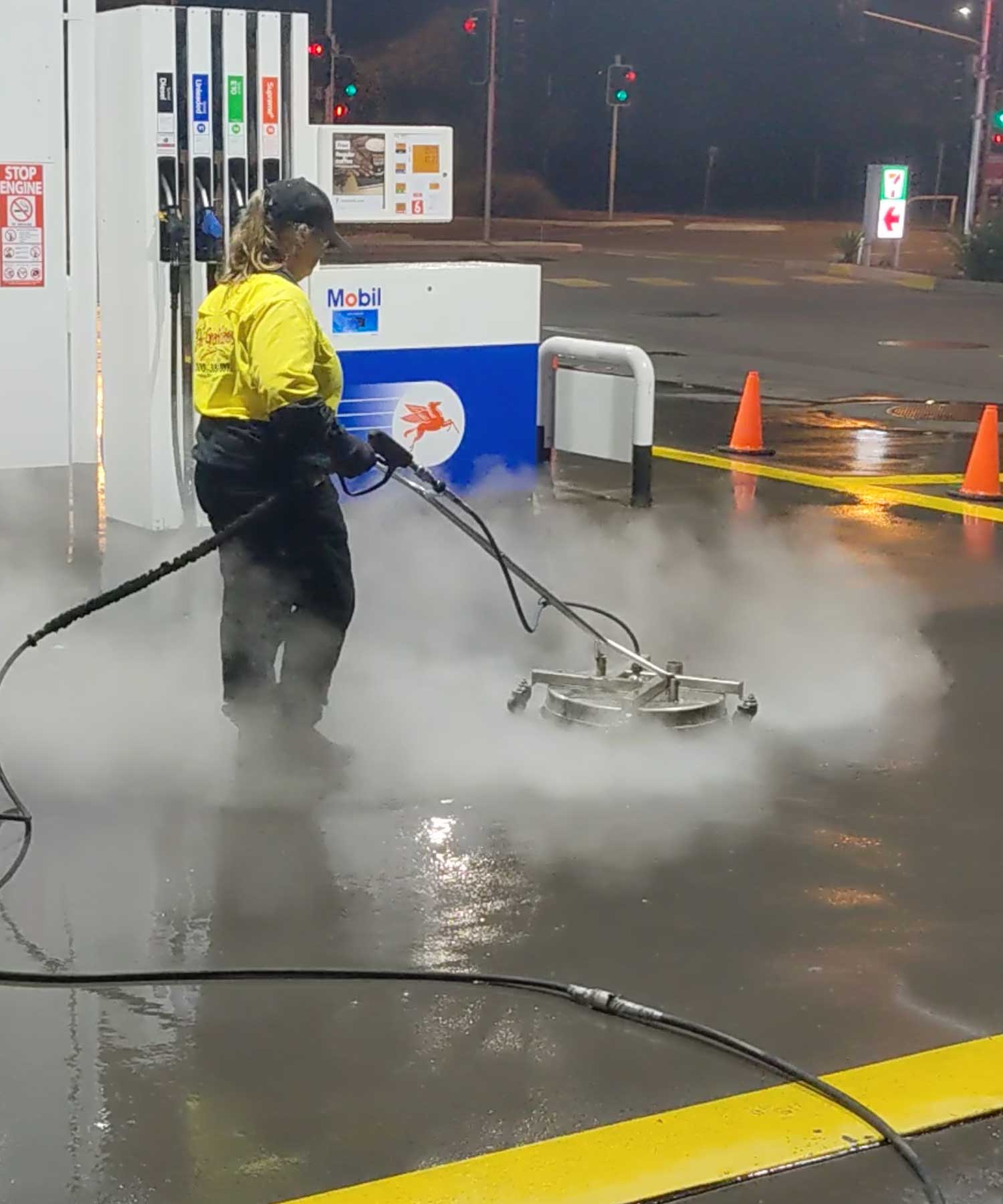
Depending on the cabinet and the type of graffiti, the team may use hand-applied cleaning methods, specialist solutions or, where suitable, **our custom-built pressure washing systems to deliver hot-water under controlled pressure.** The method is chosen to suit the asset rather than applying the same process to every job.
Why Prompt Removal Matters
Graffiti on utility cabinets tends to stand out because these assets are often positioned in open, public areas. The longer the vandalism remains in place, the more visible it becomes and the more it contributes to a neglected appearance.
Prompt removal helps restore the asset and surrounding area quickly, and it can also make the cleaning process easier in some cases. Fresh graffiti is often less difficult to remove than material that has been exposed to the elements for months, particularly where paint, marker or adhesive has had time to harden or weather into the surface.
For organisations managing multiple sites, regular graffiti removal can form part of a broader maintenance program. Councils, utilities and property managers often have large numbers of cabinets and service boxes spread across different locations, so a consistent approach helps keep those assets looking maintained.
Repeated Graffiti Can Be Managed Too
Some cabinets are targeted again and again simply because of where they are located. In these cases, removing the graffiti is only part of the long-term solution.
Depending on the surface and location, an anti-graffiti coating may also be worth considering. A suitable protective coating can create a barrier between future graffiti and the cabinet finish, making subsequent removal easier and reducing the risk of damage to the underlying surface.
This can be particularly useful on assets that are expensive to repaint, replace or regularly maintain.
Professional Graffiti Removal for Public Infrastructure
Graffiti removal from utility cabinets requires a careful balance between removing the vandalism and protecting the asset itself. The type of graffiti, the surface finish and the condition of the cabinet all need to be considered before treatment begins.
The Graffiti Eaters remove spray paint, marker, stickers and adhesive residue from a wide range of utility cabinets, service boxes and public infrastructure. By selecting a cleaning method that suits both the graffiti and the surface underneath, the team can restore the appearance of the asset without creating unnecessary damage in the process.