
Colour Science and Graffiti: Why Some Paints Bite Harder
Ever noticed how some graffiti comes off easily, while other tags seem to dig in and refuse to budge? It’s not just luck — it’s chemistry. The type of paint, its additives, and even the colour pigments all play a big part in how graffiti bonds to a surface and how difficult it is to remove.
The Hidden Chemistry Behind Graffiti Paints
Modern spray paints aren’t all created equal. Each brand and colour has its own unique formula designed for fast drying, long-lasting adhesion, and high colour intensity. While that’s great for artists, it’s bad news for property owners.
Some paints are packed with solvent-rich binders that soften the top layer of paint or surface coating they land on, effectively fusing with it. Others contain hard-setting primers that are engineered to cling to slick or uneven surfaces like glass, steel, or masonry. Once these paints cure, they create a bond that can resist standard cleaning methods.
Metallics and Bright Colours: The Toughest to Shift
Metallic and bright pigment paints are among the hardest to remove. Metallic flakes lodge deep into surface pores, reflecting light in a way that exaggerates stains and makes shadows appear even after cleaning. Bright colours like reds, blues, and yellows often use high-density pigments that penetrate deeply into porous materials such as brick, render, and concrete.
When the wrong cleaning product is used, these pigments can spread or bleed, turning a small tag into a larger, discoloured patch. This is why professional graffiti removal requires careful product selection — not just brute force.
Why DIY Cleaning Can Make Things Worse
It’s tempting to grab a solvent and start scrubbing, but aggressive cleaning often drives pigment deeper into the surface or causes permanent damage. In some cases, using a general-purpose graffiti remover can cause “ghosting” — faint outlines of colour that remain visible long after the main mark is gone. On delicate surfaces, strong solvents may also strip paint or protective coatings, leaving an uneven finish.
The Professional Approach: Science Meets Precision
At The Graffiti Eaters, every removal job starts with understanding what we’re dealing with. Our technicians assess the graffiti type, paint formulation, and surface material before choosing a cleaning method.
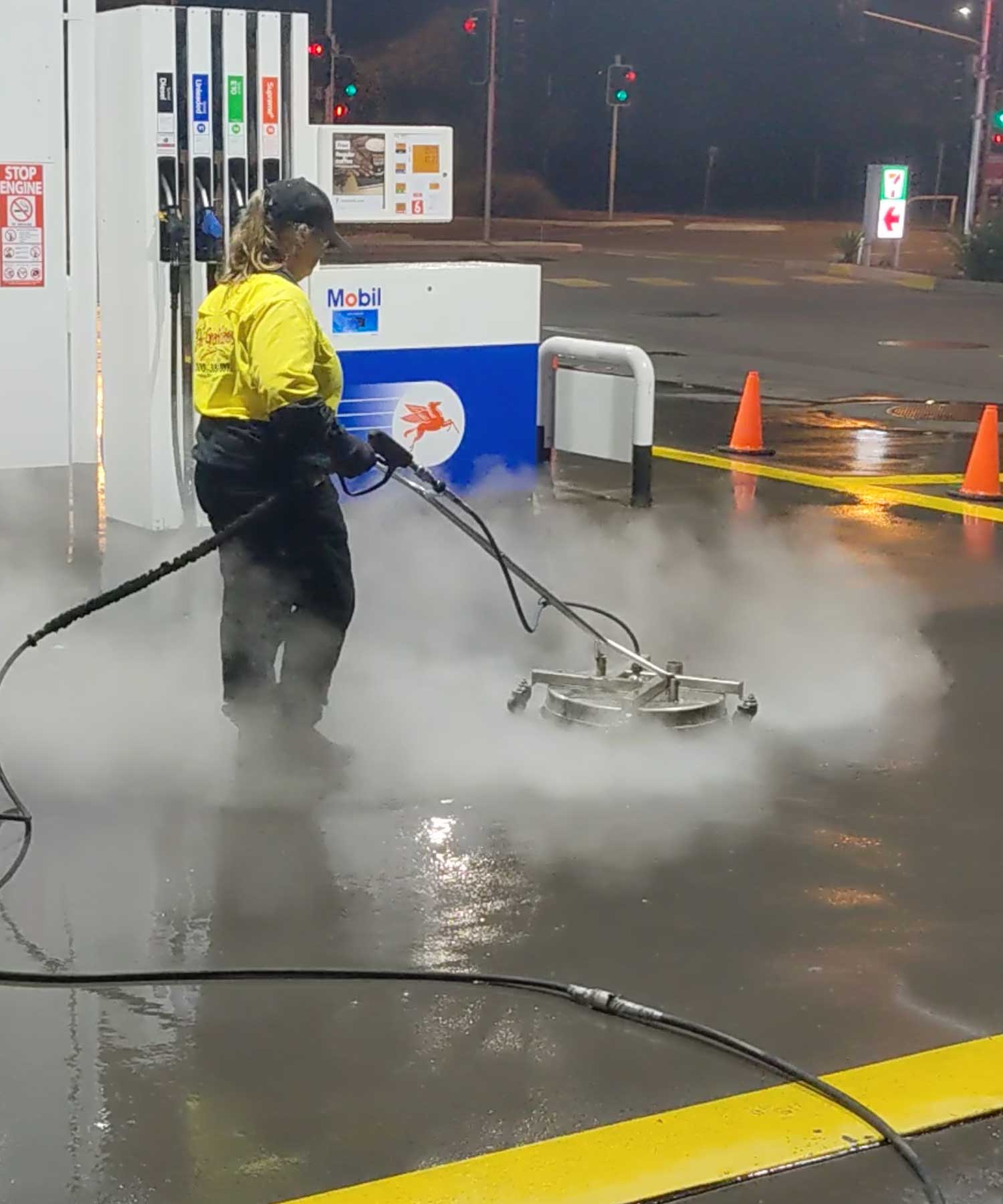
We use specialist graffiti cleaning solutions designed to dissolve specific paint chemistries without damaging the substrate. For delicate or sensitive surfaces, this might mean a methodical hand application approach to gently lift the pigment. For larger or more resilient graffiti, we combine this with our custom-built pressure washing systems to deliver hot-water under controlled pressure, ensuring even, safe, and effective cleaning across all surfaces.
Understanding Colour Makes the Difference
Removing graffiti isn’t just about washing it off — it’s about understanding the chemistry behind it. Knowing how colours, solvents, and binders react with different materials allows us to clean thoroughly and safely, restoring surfaces without trace.
So next time graffiti appears, remember: the challenge isn’t just the paint you can see — it’s the science behind it.